Spring 2026 / Neurological Disorders
Epilepsy and the Limits of Modern Treatments
Why a third of people with epilepsy don't respond to medication, and the targeted therapies that could change that.
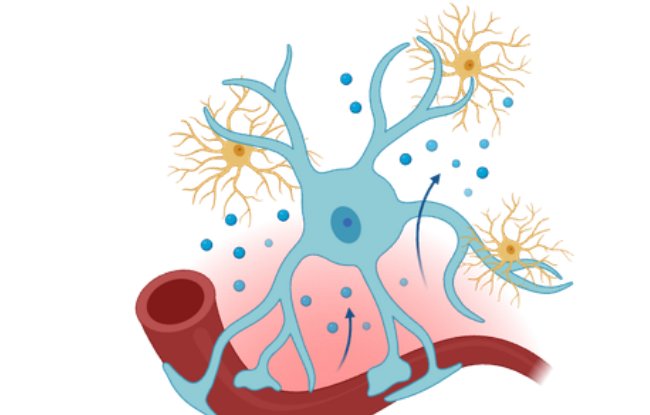
Of all the neurological disorders, epilepsy is one of the most recognizable — yet, despite decades of research and its commonality, it remains a disorder with treatments that can control symptoms, but no cure. Treatments most commonly consist of anti-seizure medications, but also involve a ketogenic diet or surgery if there is only a specific brain region triggering the seizures. However, part of the reason why it still has no universal cure is that epilepsy is a heterogeneous group of disorders rather than one single disease, and certain forms of epilepsy cannot be controlled by modern treatments. Moreover, although the basic mechanisms of epilepsy are understood, the various manifestations make it difficult for scientists to understand the underlying molecular mechanisms behind this disorder.
Epilepsy is, at its core, a chronic disorder of abnormal brain signaling. This can trigger an epileptic seizure, which is different from those that may occur in people without epilepsy. Individuals with this disorder generally have a lower seizure threshold and are therefore more susceptible to seizures than those without. Non-epileptic seizures are typically due to temporary trauma, another disease, or substance abuse. During an epileptic seizure, groups of neurons fire rapidly and simultaneously: this rapid burst of electrical activity can involve shaking, falling, muscle stiffening, lapses of consciousness, involuntary movements, and other symptoms. One difficulty with treating epilepsy stems from the fact that epilepsy exists along a broad spectrum — there are many different types of seizures (such as tonic-clonic seizures, which involve stiffening and jerking phases, or absence seizures, which induce lapses in consciousness) and subtypes of epilepsy (such as generalized epilepsy, where misfiring occurs across the entire brain, or focal epilepsy, which only affects one hemisphere).
Thus, many factors can trigger an epileptic seizure. A seizure can occur when there is a decrease in inhibitory signaling (a type of signal that decreases neuron firing) or when there is an increase in excitatory signaling (which increases neuron firing), as both of these signaling patterns can rapidly increase electrical activity in the brain. Another mechanism that can result in abnormal brain activity and seizures includes mutations in the ion channels that can alter neuronal excitability and disrupt electrical signaling. Alongside these factors, inflammatory cells can release molecules that impact neuronal signaling, while the presence of IgG antibodies in the brain may also trigger seizures. In addition, several converging genetic and environmental factors are currently not fully understood, but correlate with epilepsy.
Though there is basic knowledge on the causes of epilepsy, there are still major gaps in the understanding of this disorder. The exact cause of epilepsy and how chemical and structural brain variations can trigger seizures is still not understood in many patients, these cases are classified as idiopathic. Other unclear factors are: the manner in which seizures spread in the brain; why some seizures stay localized while others generalize; long-term brain changes from repeated seizures; the existence of any potential, reliable, and widely usable biomarkers to predict seizure occurrence; and the role of non-neuronal cells such as glial cells and immune cells. Furthermore, some people with epilepsy remain resistant to treatment even after trying two or more anti-seizure medications. In fact, approximately 30% of individuals with epilepsy are drug-resistant epileptics. The lack of understanding around epilepsy and its resistance to medication only further increases the risks associated with this disorder.
Since the underlying causes of epilepsy are varied and still not fully understood, current treatments focus on controlling seizures rather than curing the disorder. Although there are a multitude of treatments, these include medication, following a ketogenic diet, and/or surgery. However, the focus of this article will be on medication as a treatment and drug-resistant epilepsy.
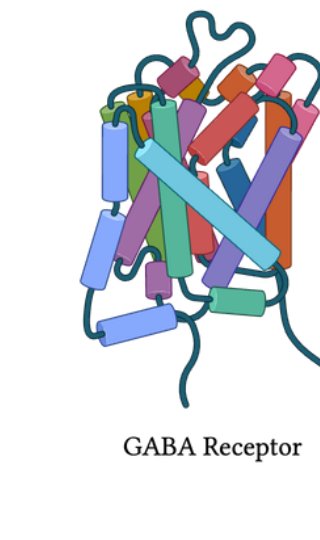
Anti-epileptic drugs (AEDs) work in a variety of ways: medications like Phenytoin, Oxcarbazepine, Lacosamide, and Carbamazepine act on voltage-gated sodium channels in neurons to block or slow repetitive activation; Phenobarbital acts as a barbiturate and binds to the receptor for the neurotransmitter GABA, allowing neuronal cells to hyperpolarize; Levetiracetam binds to the synaptic vesicle protein 2A; additionally, other anti-epileptic drugs combine several of these modes of action. AEDs can be broad-spectrum, treating a wide variety of seizures, or narrow-spectrum, specifically treating focal or partial seizures. Nevertheless, both have potential side effects, such as headaches, fatigue, dizziness, blurry vision, and more. Although these medications offer a solution to seizures for many epileptics, 30-40% of epileptics still experience drug resistance.
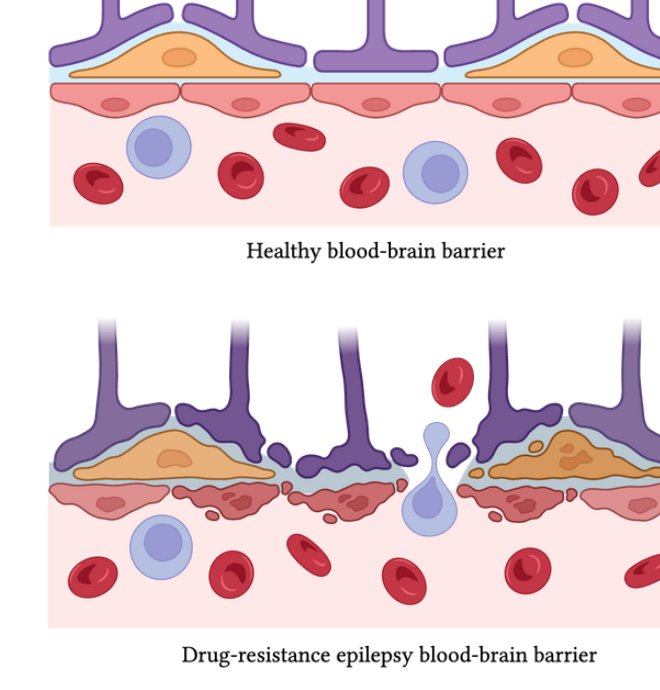
Though the reasoning behind drug-resistance in epileptics remains unknown, there are proposed theories, including the transporter hypothesis, the drug-target hypothesis, the rewiring of neural networks, and inflammatory responses. The transporter hypothesis suggests that drug-resistant epilepsy is caused by the overexpression of efflux transporters at the blood-brain barrier and within epileptic foci of the brain. The overexpression of these transporters reduces the concentration of AEDs in brain tissue, thereby making the medication less effective. The drug-target hypothesis suggests that seizures can induce molecular changes that alter the function of anti-seizure drug targets. Two other factors that may explain drug-resistance in epileptics explore how chronic seizures may rewire neural networks so that even if AEDs suppress individual neurons, the overall network can still generate seizures. Additionally, increased inflammatory signaling in the brain can increase excitatory signals between neurons while also reducing drug responsiveness.
Despite these challenges, the limitations of current treatments for epilepsy may not be as fixed as previously thought. Recent research in animal models shows that targeting particular ion channels, such as TRPC3, can reduce the frequency and severity of seizures. These results suggest a more targeted, mechanism-based therapeutic strategy that focuses on the particular pathways causing seizures. This differs from previous research, which has generally focused on suppressing neural activity and treating all epileptic seizures as having the same mechanisms. Additionally, these treatments mark a significant shift toward more focused and potentially successful interventions, though they are still developing and require more validation in human trials.
New clinical data challenged long-held beliefs regarding drug-resistant epilepsy, suggesting that experimenting with various medications over time occasionally results in a significant decrease in seizure activity. Studies have recently shown that alternating three or more medications over a duration of several months to years decreased the amount of seizures experienced by some drug-resistant epileptics. These findings raise the possibility that the brain's potential for neuroplasticity enables it to gradually react to therapy in novel ways. When considered collectively, these advancements point to an increasingly complex understanding of epilepsy as a dynamic disorder that can be responsive to changing treatments rather than as a static condition. These results demonstrate that epilepsy is not an incurable illness; rather, more potent and long-lasting treatments are achievable with further research and tailored methods.
References (8)
- Drugs.com. “New Study Offers Hope for People with Drug-Resistant Epilepsy MedNews.” Drugs.com, 22 Oct. 2025, www.drugs.com/news/new-study-offers-hope-resistant-epilepsy-127205.html.
- Epilepsy Foundation. “Facts & Statistics about Epilepsy.” Epilepsy Foundation, www.epilepsy.com/what-is-epilepsy/statistics.
- Fonseca‐Barriendos, Daniel, et al. “Drug‐Resistant Epilepsy: Drug Target Hypothesis and beyond the Receptors.” Epilepsia Open, vol. 7, no. S1, 22 Oct. 2021, https://doi.org/10.1002/epi4.12539.
- Kiriakopoulos, Elaine. “Understanding Seizures.” Epilepsy Foundation, 1 Oct. 2019, www.epilepsy.com/what-is-epilepsy/understanding-seizures.
- Löscher, Wolfgang, et al. “Drug Resistance in Epilepsy: Clinical Impact, Potential Mechanisms, and New Innovative Treatment Options.” Pharmacological Reviews, vol. 72, no. 3, 1 July 2020, pp. 606–638, https://doi.org/10.1124/pr.120.019539.
- Shariff, Sanobar, et al. “Advances in Understanding the Pathogenesis of Epilepsy: Unraveling the Molecular Mechanisms: A Cross‐Sectional Study.” Health Science Reports, vol. 7, no. 2, 1 Feb. 2024, https://doi.org/10.1002/hsr2.1896.
- Silva-Cardoso, Gleice K., et al. “Inhibition of TRPC3 Channels Suppresses Seizure Susceptibility in the Genetically-Epilepsy Prone Rats.” European Journal of Pharmacology, vol. 977, Aug. 2024, p. 176722, pubmed.ncbi.nlm.nih.gov/38851562/, https://doi.org/10.1016/j.ejphar.2024.176722. Accessed 17 Feb. 2026.
- Subbarao, Bruno S., et al. “Seizure Medications.” PubMed, StatPearls Publishing, 2023, www.ncbi.nlm.nih.gov/books/NBK482269/.