Spring 2026 / Reward & Addiction
One Cannot Think Well… If One Has Watched Others Dine
Why Mukbangs light up the brain's reward and social circuits, and what binge-watching others eat does to hunger, hormones, and sleep.
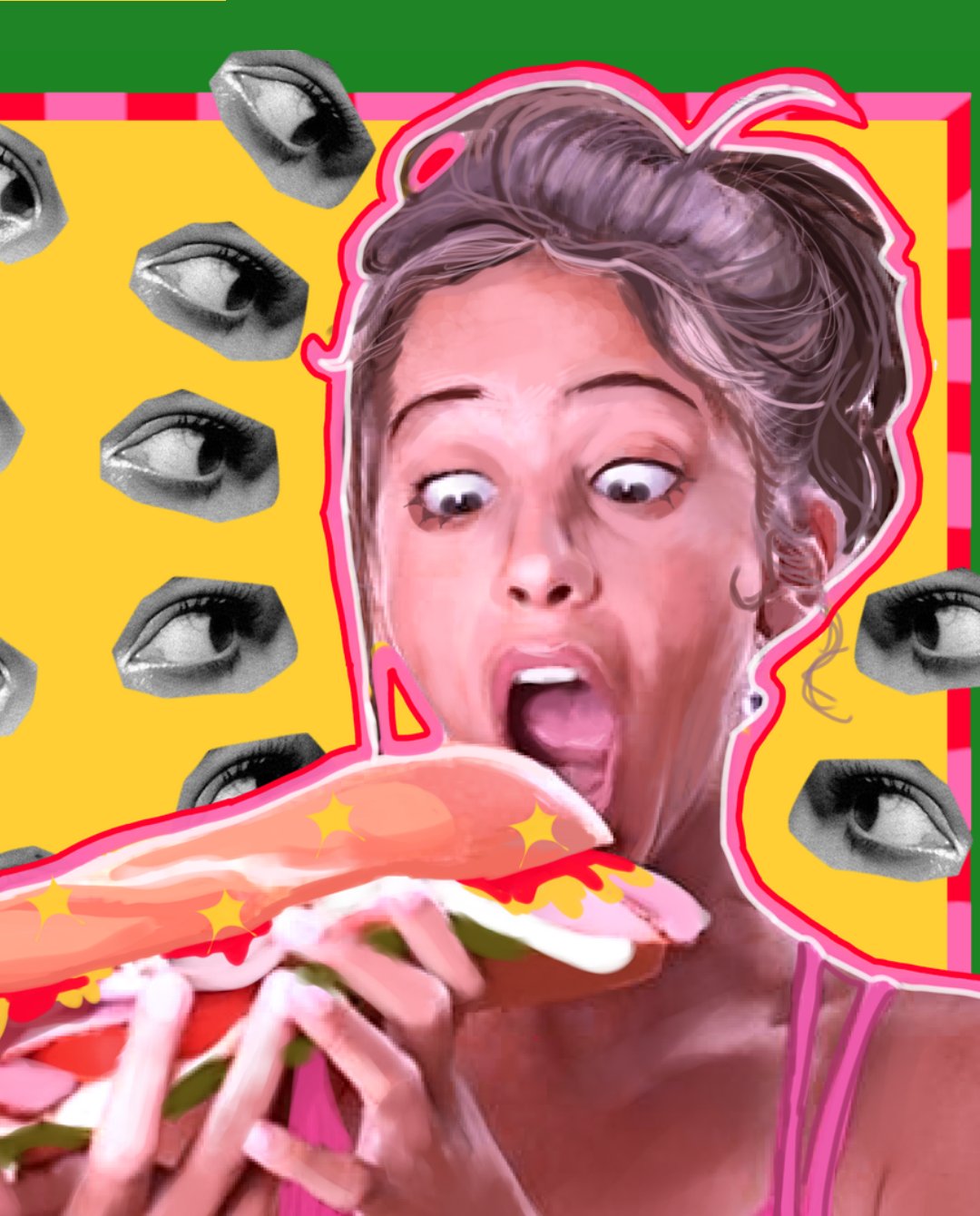
VIRGINIA WOOLF & CHIPOTLE
“One cannot think well, love well, sleep well, if one has not dined well.” This quote, famously authored by the modern literary mastermind Virginia Woolf, decorates restaurant walls, shopping bags, and more. At first glance, one might assume it means that you cannot think, love, or sleep well if you are not properly nourished. A simple sentiment such as this, however, goes much deeper. In fact, it can be reframed through a neuroscientific lens: optimal cognitive function depends on metabolic stability.
The brain, which consumes approximately 20% of the body’s glucose¹, relies heavily on consistent energy availability. When basic needs are unmet, the body activates stress response systems, such as the hypothalamic-pituitary adrenal (HPA) axis, which raises cortisol levels, can impair executive function, attention, and creativity.
When looking at it from the socio-economic standpoint, the phrase “dined well” truly symbolizes economic needs and security. Without those basic standards being met, both creative and intellectual freedom are hindered. Therefore, in modern terms, brain function depends on glucose and proper nutrition. Stressors from poverty raise cortisol, consequently reducing focus and creativity by forcing individuals to activate survival mode. Essentially, she is saying that before genius, there must be stability.
What if now, for some, stability no longer precedes genius in the same manner it had before? With access to fast-food options, large volumes of calories are consumed daily regardless of their limited nutritional value. Such a diet of overconsumption can lead to a myriad of conditions and, eventually, instability.
WHAT THE HELL ARE MUKBANGS?
Almost all words can be broken down into their parts. The term “Mukbang” originates from South Korea. It can be loosely translated as “eating broadcast,” as meongneun means eating and bangsong means broadcast. Together, they form the catchy word “meokbang.” But what does this amusing word look like on the internet, its birthplace?
These videos are widely shared across almost all major media platforms, including YouTube, Instagram, TikTok, and more. But what about them fosters a sense of comfort for those who sit down to eat a meal? To answer this query, we must go to antiquated territory––COVID-19.
According to Delish, although Mukbangs originated in the early 2010s, their popularity surged during the COVID-19 pandemic. This correlation can be attributed to several factors, including the psychological stress of unstable access to food, isolation, and desiring comfort. Driven by the effects of neurobehavioral mechanisms, Mukbangs rose in popularity, expanded to a broader range of food, and became an imperative marketing strategy for trending foods. Most recently, foods such as Dubai chocolate, Crumbl cookies, and Biscoff cheesecake have gained viral popularity, with companies going as far as to financially support creators who film themselves eating their products—not as simple taste tests, but as lavish feasts featuring milk and three different Dubai chocolate bars. What was once a niche form of digital companionship has quietly transformed into one of the most powerful—and lucrative—engines of food marketing in the modern era.
THE BRAIN & THE REWARD SYSTEM
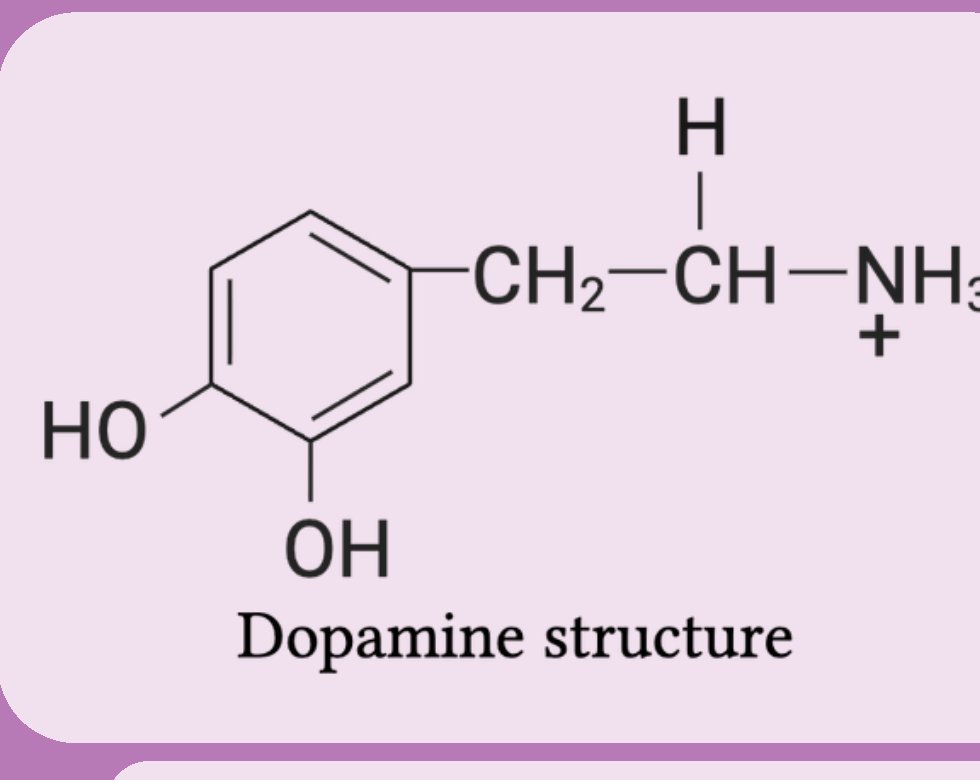
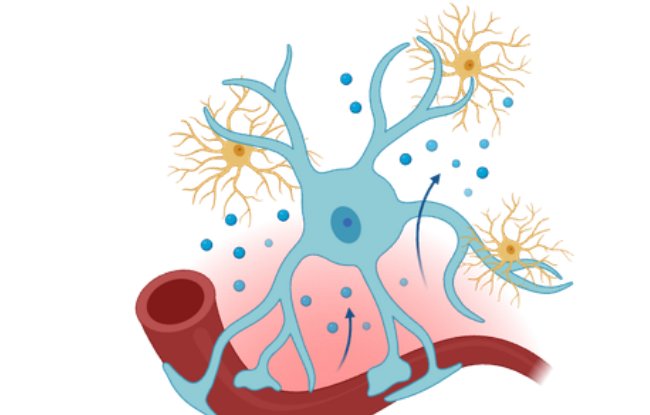
The brain’s reward system is a distributed network of cortical and subcortical structures that encode motivation, reinforce behavior, and assign value to stimuli. The principle system is the mesolimbic dopamine pathway, in which dopaminergic neurons project from the ventral tegmental area (VTA) to the nucleus accumbens. From this process, something called incentive salience is signaled, which fosters the “wanting” sensation that drives goal-directed behavior. A simple example is when a child gets punished for misbehaving, causing them to do less “misbehaving” actions. Another example is when someone consumes a candy, enjoys the sweetness, and takes actions to taste more sweetness.
The reasons why the brain is wired to value sugar are quite interesting. For starters, in ancestral environments, calorically dense foods were scarce, so neural systems evolved to prioritize and remember high-reward stimuli. Consequently, sweet tastes activate not only the gustatory pathways—the neural circuit that translates taste from the taste bud in mouth to the specialized receptors in the brain—in the insular cortex but also dopaminergic projections to the nucleus accumbens. However, this reward system is highly intricate and goes well beyond sugar.
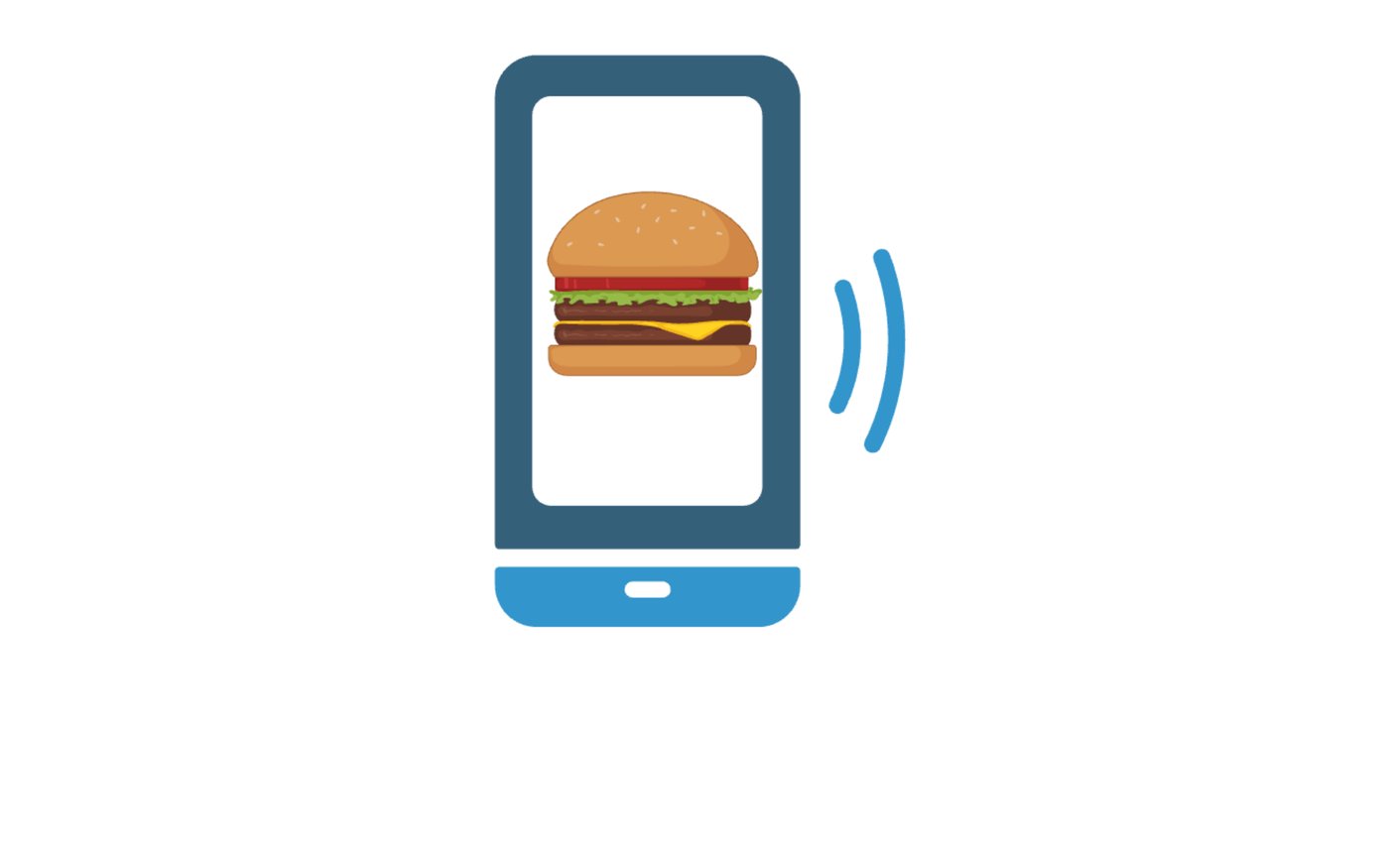
Mukbang videos often have saturated colors, and the visual processing of highly appealing foods triggers dopamine release in both the ventral tegmental area and the nucleus accumbens². Even without consuming the food, our brains jump to think: that’s energy! Interestingly, mirror neurons are a type of cell that are stimulated when a specific action is observed. Whilst watching a Mukbang video, the brain partially mirrors the experience. As a result, anticipatory dopamine fires the same way it does when one eats.
The reward for watching Mukbang videos, however, is not just food, but companionship. Parasocial interactions create a sense of eating alongside the content creator, and for the brain, that sense of connection is a reward in its own right. The Mukbanger often makes eye contact with the camera, speaks conversationally, and addresses viewers directly. The brain then processes this as a quasi-social interaction, a type of psychological interaction where an individual develops an emotional bond or connection to a media figure or content. And although the relationship is one-sided, it activates social reward circuitry in the brain, which are the same regions implicated in real human connection. So the brain is no longer just releasing dopamine to respond solely to food cues, but also in response to the feeling of not being alone.
For clarity and deeper scientific understanding, let’s broadly define a few areas of the brain: the medial prefrontal cortex is the site of social cognition; the temporoparietal junction is vital to taking perspectives; and the ventral striatum is involved with the reward system. When watching these videos, all of these areas are stimulated, creating the illusion that the viewer is actually with the Mukbanger, sharing those delicious foods. The brain evolved for communal eating, so watching others eat activates those same social reward pathways, recreating the warmth and comfort of a shared meal.
HUNGER, HORMONES, & DIET
The hypothalamus is the brain’s metabolic control center and is responsible for managing blood glucose levels as well as appetite hormones like ghrelin, leptin, and insulin. For context, ghrelin is the hormone responsible for the sensation of hunger, while leptin is the satiety hormone. Visual and sensory food cues can activate hypothalamic circuits, therefore adjusting hormone levels. For example, while watching a Mukbang, ghrelin release can be amplified via hypothalamic activation, enhancing the central striatum’s response, which increases subjective cravings. Exposure to Mukbang videos can negatively impact the effectiveness of leptin. Furthermore, leptin, when working adequately, decreases hunger and hinders dopamine response to food. Remember the last Thanksgiving dinner when you ate so much you had to unbutton your jeans, and when Grandma Carol offered you another slice of pumpkin pie, you got queasy? That is due to leptin. However, in leptin resistance, the brain stops responding properly, satiety signals weaken, and reward sensitivity to food may remain high, which is a direct result of watching Mukbang content.
Now it is time to discuss insulin. Insulin regulates blood glucose levels by increasing the cellular absorption of glucose, thereby decreasing its levels in the blood. Insulin also acts on the brain. It promotes a sense of satiety and modulates dopamine activity. Chronically high insulin levels from incredibly refined carb diets can alter dopamine sensitivity and thus change reward thresholds, making content about those high-calorie foods that lack nutritional depth all the more stimulating. This means for frequent Mukbang viewers, who are simultaneously exposed to visually stimulating food content while potentially snacking on the very refined carbohydrates being consumed on screen, the cycle becomes self-reinforcing: Dulled dopamine sensitivity demands ever more stimulating content and ever more indulgent food to feel the same reward.
Diet composition can change hormone dynamics. When viewers begin indulging in the high-calorie foods they are inclined to consume after watching Mukbangs, their diet often spikes in sugar and fat. This leads to rapid insulin spikes, rebound hunger, potential leptin resistance, and increased dopamine reactivity. However, when an individual’s diet includes high protein and fiber intake, they have relatively low ghrelin levels, a slower rise in blood glucose, increased satiety hormones, and reduced reward activation. So the moral of this story is: eat well––please.
SIDE SECTION: “THE SKINCARE DINNER”
Dare I say, some influencers do it right. @danicolexx on TikTok has created a platform that promotes the idea of “eating your skincare.” This does not mean literally eating your CeraVe facial cleanser––but rather eating foods naturally high in retinol, fiber, and collagen. This ultimately has a positive impact on one’s dietary choices and promotes a healthy, balanced lifestyle. In my opinion, it is a breath of fresh air.
SLEEP OR SNACK?
Because Mukbang are highly stimulating thanks to visual food cues, ASMR chewing sounds, and social interactions, dopamine is released, as previously mentioned. This high dopamine activity late in the evening can delay sleepiness, increase alertness, and reinforce the “just one more video” mentality, repeatedly, all because the content is generally relaxing and neurologically stimulating. Consequently, the habit of midnight snacking is promoted.
Blue light exposure also leads to melatonin suppression, so while these addictive videos occupy your screen, blue light (roughly 460nm -480nm) enters your eyes and leads to a delayed circadian rhythm. Circadian rhythm is your 24-hour clock that is located in a highly important region in the brain, the suprachiasmic nucleus. Through hormone regulation and messaging, this rhythm controls an individual’s entire sleep cycle. When exposed to blue light for an extended period of time, specialized cells, intrinsically photosensitive retinal ganglion cells, become highly sensitive. This stressor sends signals to the SCN, subsequently decreasing the release of melatonin. In addition, there is higher emotional reinforcement during the night. After hours, the amygdala, the emotional processing center within the brain, has higher reactivity, therefore the prefrontal regulation is weaker. As a direct result, loneliness feels stronger, comfort-seeking increases, and parasocial content feels especially soothing. Together, these neurological forces create a perfect storm—one where the brain is simultaneously wired awake, emotionally vulnerable, and deeply primed to seek the kind of comfort that only another Mukbang can provide.
Let’s be real, watching one or two Mukbang videos is not the end of the world. However, our bodies are built largely upon our lifestyle, and the effects of Mukbangs may pose a serious challenge to that regulation. Self-control and healthy decisions are incredibly important for our mental health and general wellness. So, next time you catch yourself binge-watching Mukbangs promoting not-so-clean foods, remember: One cannot think well... if one has watched others dine.