Spring 2026 / Reward & Addiction
The Dopamine Drive-Thru: Why Fast Food Feels Addictive
Reward circuits, stress, evolution, and food ads all conspire to make that late-night Taco Bell order feel inevitable.
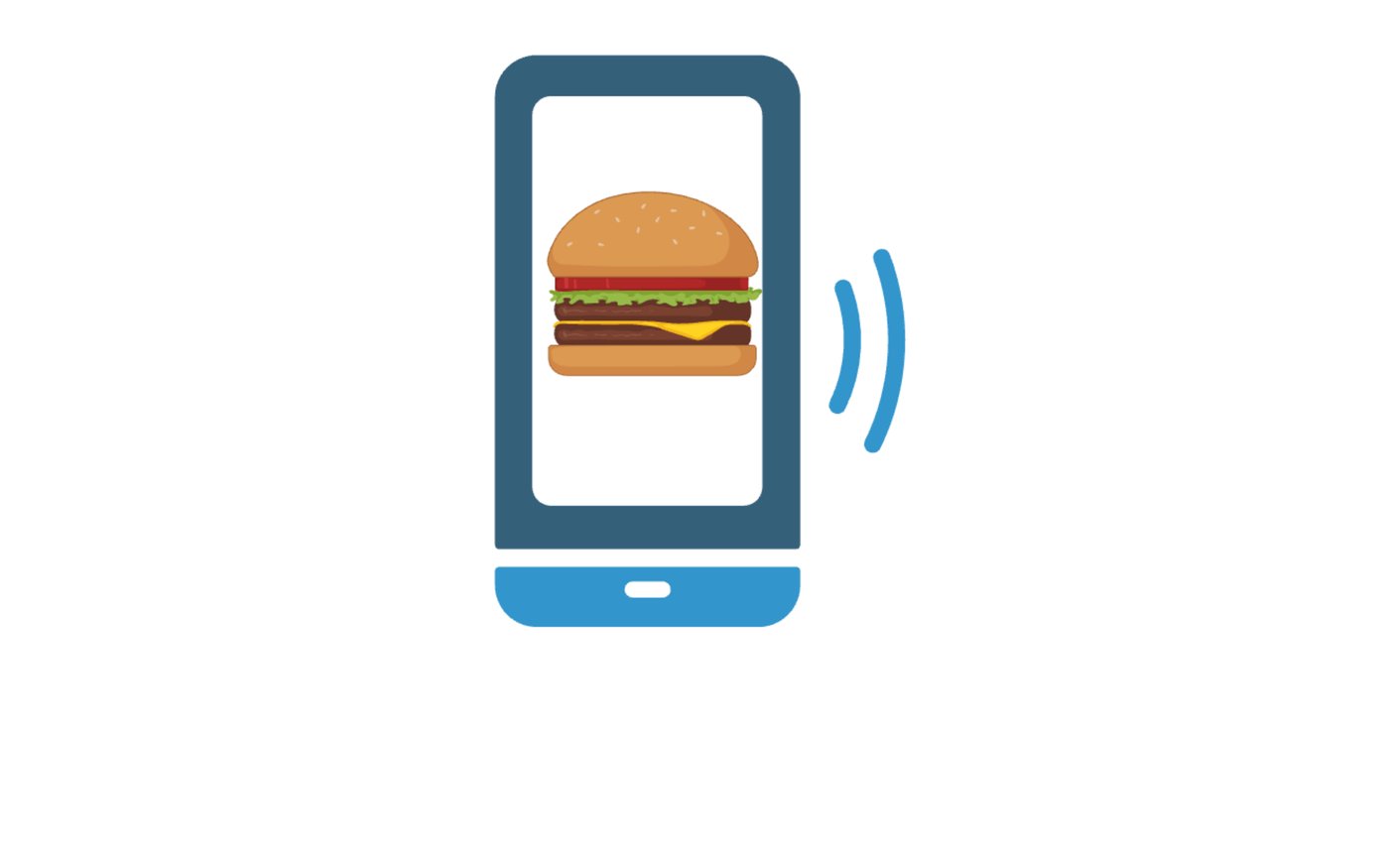
On a Friday night, you sit comfortably still under your 3 coziest blankets stacked on top as you scroll endlessly on social media. You remember you haven't had dinner yet, so you can't resist tapping through Grubhub, DoorDash, Uber Eats, or the app of your choice. Taco Bell’s famous Chicken Cantina wrap, followed by a large nacho fries, makes its way into your bag. Before you confirm your order, you add one more essential item to your bag: the Iconic Baja Blast. What is it about that precise instant that makes placing an order seem so natural, almost instinctive, as if the choice had already been made before you gave it any thought? Why do some foods suddenly become "necessary" instead of optional? What makes your brain prioritize instant comfort over long-term intention, even when you weren’t actively hungry a few minutes ago? And why do apps and images of food seem to intensify that urge the longer you scroll? In a world that carries out our internal psychological behavior to drive our next craving, forcing us to find fast food, specifically with high concentrations of salt and sugar, rewarding, these moments are rooted in deeper brain mechanisms, environmental cues, and evolutionary survival mechanisms to continue to shape our behavior.
This reading examines how contemporary food contexts interact with reward circuits, dopamine signaling, and stress-related brain processes to affect eating behavior. Through examining the neuroscience of reward, habit formation, and emotional regulation, we can understand why such fast food begins to feel so compelling and hard to resist. We will delve into the understanding of how our brains become wired to find pleasure in eating more, every time, and how the different regions of our brains play a part without us realizing.
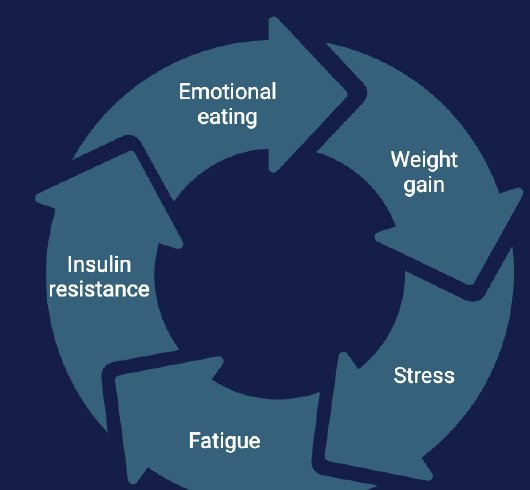
It is important to note that our body craves fast food in a continuous, repeated cycle in a similar way drugs exhibit a spark in neural pathways and neurochemical mechanisms during addiction. The brain’s executive functioning refines carbs, salt, and sugar in a specific ratio that overstimulates the brain’s reward system. This is known as hyperpalatable foods (Hough et al.). On top of that, emotional eating becomes neurologically reinforced. Stress increases preference for high-fat and sugar foods, and has been shown to reduce stress temporarily by releasing hormones like cortisol. These cravings become more desirable and rewarding. Chronic stress weakens prefrontal cortex control, which leads to impulse eating (Dallman et al.).
REWARD CIRCUITRY IN THE BRAIN
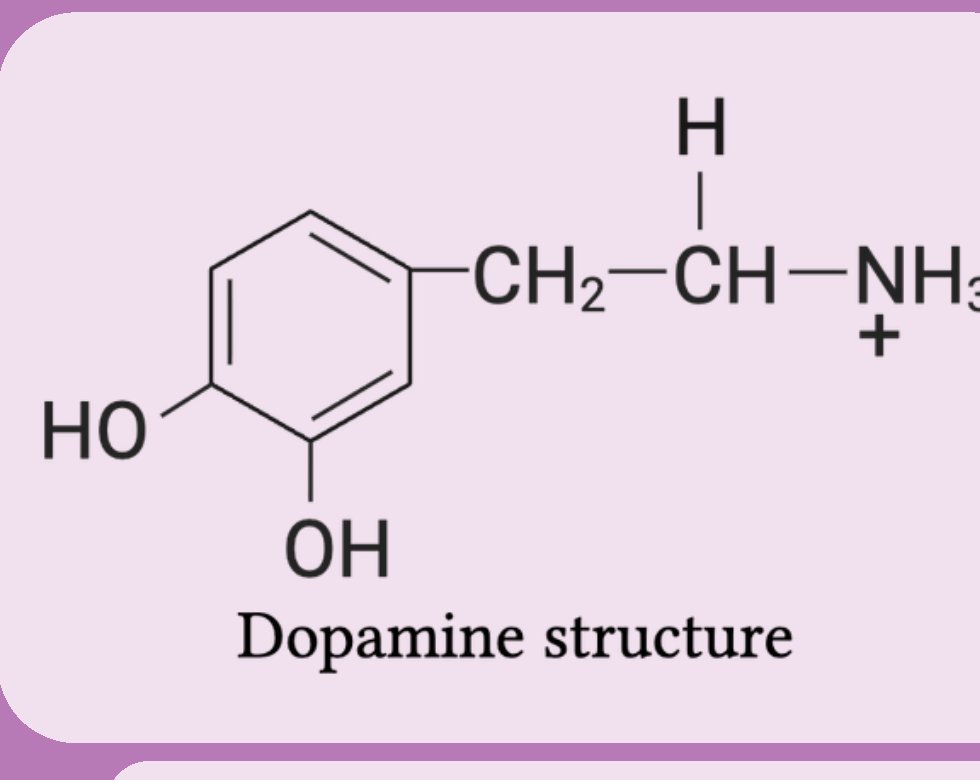
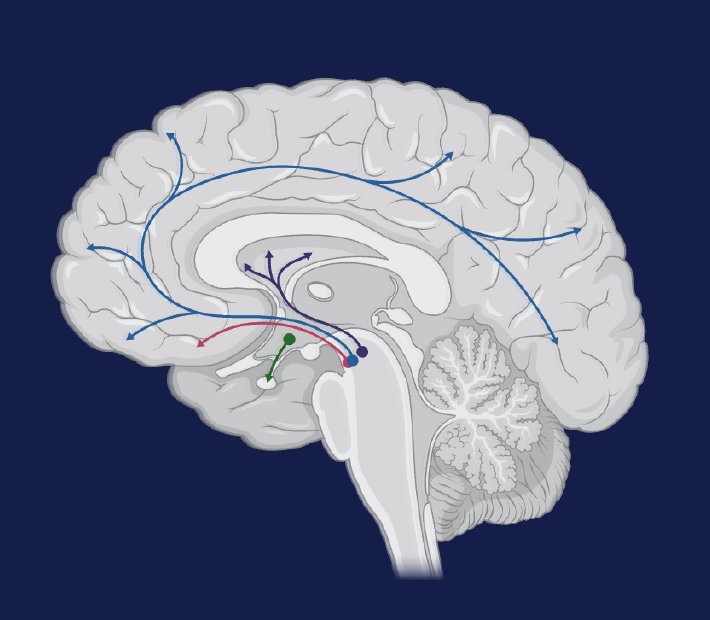
When we experience something rewarding, such as tasty food like Taco Bell, the brain learns from it and tries to predict and repeat that same feeling. This is mostly driven by a pathway called the mesolimbic dopamine system, which connects areas like the ventral tegmental area, the nucleus accumbens, and the prefrontal cortex (Volkow et al.).
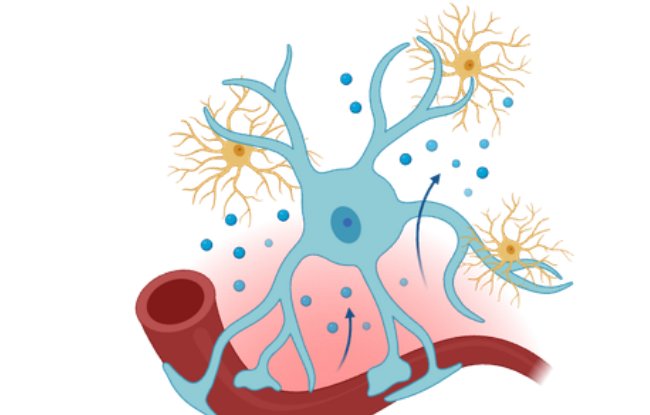
When dopamine is released, it sends signals to the brain that convince it to seek the experience as rewarding, increasing the likelihood that the behavior will be repeated in the future. Recent neuroscience research also suggests that they are not just “in the moment” impulses, but also learned responses shaped by repeated cue-reward associations, where even the smallest triggers like food apps or a certain food image can highly activate dopamine signaling and gradually shift behavior from a simple, impulsive decision-making to an automatic, habitual behavior. Our brains are also wired to favor what works in our favor, such as ordering straight from our phone with one simple click, knowing the minimal effort on our part that comes into the arrival of our food. With repeated exposure to highly palatable foods, the brain undergoes neural sensitization, where long-term stimulation of reward pathways leads to a reduction in D2 receptors, a type of receptor in the brain that responds to the neurotransmitter dopamine, availability in the reward circuit (Johnson and Kenny, 2010). This weakens the brain’s ability to regulate reward signaling, making inhibitory control less effective and increasing persistent craving and seeking behavior. This leads to our self-control becoming weaker over time, explaining why eating is not always as simple as responding to hunger. Eating behavior is divided into two systems: hedonic eating and homeostatic eating.
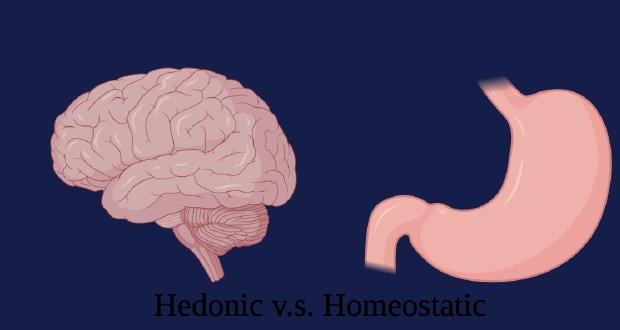
Hedonic eating refers to eating driven by pleasure, where the brain’s reward system can override signals of actual energy needs when highly appealing foods are available. This is why foods like fast food can feel “necessary” even when the body is not truly hungry. In contrast, homeostatic eating is controlled by the body’s internal energy regulation system in the hypothalamus, where hormones like leptin, ghrelin, and insulin signal when the body needs fuel or has enough energy (Berthoud 2012). Together, these two systems show how eating behavior is shaped not only by physical need, but also by reward-driven brain processes. While these reward-driven processes provide insight into how the behavior underlying eating operates in the current state, they are rooted in a deep biological system shaped by earlier survival and evolution.
EVOLUTIONARY SURVIVAL WIRING & NEUROBIOLOGY
From a broader perspective, these reward and eating behaviors are not just shaped by modern environments, but also by deep evolutionary history. Through natural selection, human neural circuits evolved to prioritize high-calorie foods rich in sugar, fat, and sodium, since these nutrients were once scarce but essential for survival. In early environments where food was limited, individuals whose brains strongly responded to energy-dense foods were more likely to survive and pass on these traits. However, in today’s world, those same survival-based mechanisms still exist, even though high-calorie foods are now constantly available. As a result, the brain continues to operate as if it is in a scarce environment, even when it is not. This evolutionary mismatch also helps explain the rising rates of obesity in modern environments, where highly palatable foods are constantly available and frequently cued by the surroundings. Although homeostatic mechanisms evolved to maintain energy balance through internal metabolic signals, they are often overwhelmed by strong hedonic drives that promote eating for pleasure rather than need. Now, as ancient survival-based neural systems that once ensured survival in food-scarce environments, contribute to excessive caloric intake in conditions of abundance (Berthoud 2012). Research on habit and reward circuitry suggests that repeated exposure to rewarding food cues can further reinforce these patterns by shifting behavior from conscious, goal-directed control toward more automatic, habit-based responses. This process is largely driven by changes in the basal ganglia, particularly the striatum, where dopamine signaling strengthens learned cue–reward associations over time (Lipton et al.). As these neural pathways become more efficient, eating behavior can become less dependent on hunger signals and more triggered by environmental cues, making food consumption increasingly habitual rather than intentional. Though evolutionary changes explain why we are drawn to such high-calorie foods, they do not completely consider external factors, such as stress, that are also great contributors to our behavior.
EMOTIONAL REGULATION & STRESS EFFECTS
In animal studies, prolonged stress has been shown to dramatically increase the consumption of highly desirable meals. For instance, stressed mice continuously consumed highly rewarding, high-energy diets in a mouse model subjected to repeated stressors. Neurobiological changes in the brain's reward system, specifically in the nucleus accumbent, a crucial area involved in processing pleasure and reinforcement, are connected to this behavioral shift. Stress can alter mu-opioid receptor expression and dopamine D2 receptor function in this region, making hedonic feeding circuits more sensitive (Wei et al.).
Acute stress has been shown in human studies to reduce self-control when making food-related decisions, causing people to select more harmful, highly rewarding foods over healthier options following exposure to a standardized stressor. This effect weakens top-down regulatory control over behavior and is associated with stress-induced alterations in functional connections between the prefrontal cortex and limbic areas like the striatum and amygdala (Maier et al.). Dopaminergic alterations brought on by stress thus decrease prefrontal efficiency, leading people to be more motivated by short-term gratification than by long-term goals. In addition to this, external environmental factors further shape eating behaviors through engaging with the brain's reward and decision-making systems.
FOOD MARKETING ALTERING BRAIN ACTIVITY
In an fMRI study, participants made "eat" or "not eat" decisions after seeing food versus non-food ads, demonstrating how food advertisements affect children's food decision-making via changing brain valuation systems. Children showed a shift toward hedonic-driven decision making after being exposed to food advertisements; they prioritized taste and instant reward value over health considerations. Increased activation in the ventromedial prefrontal cortex, a crucial brain area involved in determining subjective value, coincided with this behavioral shift, indicating that food marketing enhances reward-based valuation during decision-making (Bruce et al.). It is no surprise that food advertisements seem to lessen the relative impact of prefrontal control mechanisms. Furthermore, in a study where children viewed different food ads, the children who were overweight or obese displayed increased brain response to high-energy food signals, especially in areas related to reward and sensory processing, according to the study's significant weight status disparities. Food advertising consistently decreased the activation of cognitive control-related prefrontal cortical areas, indicating a transient deterioration of regulatory processing during subsequent meal judgment (Masterson et al.). It's interesting to note that this brain change did not immediately result in higher overall meal intake, suggesting that the impacts of advertising might be more gradual and long-lasting. Overall, the results imply that food advertisements alter children's neural processing of food signals.
CONCLUSION
All things considered, these interrelated biological and environmental elements demonstrate how deeply ingrained brain systems influenced by both evolution and contemporary culture determine eating behavior rather than being just a question of conscious choice. The balance of decision-making gradually swings toward automatic, hedonistic behavior when reward-driven circuitry is repeatedly triggered, and prefrontal control is regularly tested by stress or outside stimuli. Brain-based systems have a significant influence on determining daily food-related behavior and help explain why overconsumption continues even in the presence of knowledge or intention to eat properly.

References (12)
- Alonso-Alonso, M., Woods, S. C., Pelchat, M., Grigson, P. S., Stice, E., Beauchamp, G. K., & Boutrel, B. (2015). Food reward system: Current perspectives and future research needs. The Journal of Nutrition, 145(7), 1606–1612. https://doi.org/10.3945/jn.114.199545
- Berridge, K. C., & Kringelbach, M. L. (2015). Pleasure systems in the brain. Neuron, 86(3), 646–664. https://doi.org/10.1016/j.neuron.2015.02.018
- Dallman, M. F. (2003). Stress-induced obesity and the emotional nervous system. Trends in Endocrinology & Metabolism, 14(9), 446–451. https://pubmed.ncbi.nlm.nih.gov/12975524/
- Epstein, L. H., & Temple, J. L. (2010). The neural basis of food reinforcement. Nature Neuroscience, 13(6), 656–661. https://doi.org/10.1038/nn.2519
- Georgiadis, J. R., Kringelbach, M. L. (2012). The human sexual response cycle: Brain imaging evidence linking desire, pleasure, and stress. Progress in Neurobiology, 98(1), 49–81. https://pmc.ncbi.nlm.nih.gov/articles/PMC3254791/
- Johnson, P. M., & Kenny, P. J. (2010). Dopamine D2 receptors in addiction-like reward dysfunction and compulsive eating in obese rats. Nature Neuroscience, 13(5), 635–641. https://doi.org/10.1038/nn.2519
- Maier, S. F., et al. (2015). Stress-induced alterations in prefrontal cortex regulation of food choice. PubMed. https://pubmed.ncbi.nlm.nih.gov/26247866/
- Masterson, T. D., et al. (2018). Food advertising and neural responses to food cues in children. PubMed. https://pubmed.ncbi.nlm.nih.gov/30312738/
- Nederkoorn, C., Houben, K., Hofmann, W., Roefs, A., & Jansen, A. (2010). Control yourself or just eat what you like? Weight gain over a year is predicted by an interactive effect of response inhibition and implicit preference for snack foods. Health Psychology, 29(4), 389–393. https://pmc.ncbi.nlm.nih.gov/articles/PMC4433288/
- Small, D. M., & DiFeliceantonio, A. G. (2019). Dopamine and food reward: Neurobiology of eating behavior. Frontiers in Systems Neuroscience, 13, 28. https://www.frontiersin.org/articles/10.3389/fnsys.2019.00028/full
- Stoeckel, L. E., et al. (2016). Neural systems of food craving and reward in obesity. The New England Journal of Medicine. https://www.nejm.org/doi/full/10.1056/NEJMra1511480
- Volkow, N. D., Wang, G.-J., & Baler, R. D. (2011). Reward, dopamine and the control of food intake. Trends in Cognitive Sciences, 15(1), 37–46. https://doi.org/10.1016/j.tics.2010.11.001