The Neuroscience Behind Why Women Experience Chronic Pain Differently
Hormones, brain connectivity, and the immune system all help explain why chronic pain hits women harder and lasts longer.

While it may seem that biological men and women have similar levels of pain tolerance, women are significantly disproportionately affected by chronic pain compared to men. As awareness of women’s health continues to grow, it’s vital to consider the neuroscience behind differences in health. Sex differences the experience of chronic pain arises from enhanced central sensitization and neuroplastic changes to pain-processing networks, which are more pronounced in women due to hormonal modulation and neuroimmune influences. Understanding the basis of these differences is important for developing more targeted and effective treatments in the future.
The International Association for the Study of Pain states that women experience higher prevalence, greater severity, and longer duration of chronic pain, compared to men. In fact, these symptoms are disproportionately seen across many different conditions such as fibromyalgia, endometriosis, irritable bowel syndrome, chronic migraines and more (Blyth, 2024). These listed conditions commonly co-occur and are known as Chronic Overlapping Pain Conditions, which are characterized with symptoms of fatigue, chronic pain, cognitive difficulties, and for irritable bowel syndrome it causes diarrhea and abdominal pain. The overlap of these conditions point to shared psychological pathways, which highlights the importance of examining underlying mechanisms such as hormonal regulation and neural sensitization.
One key mechanism in shared psychological pathways is the hormonal modulation of pain, in which ovarian hormones influence how pain signals are processed and regulated. In simpler terms, fluctuations in hormone levels can alter how sensitive the body and brain are to pain. Ovarian hormones modulate pain pathways through their effects on neurotransmitter systems, opioid receptors, and inflammatory signaling. In a 2015 study, Dr. Victor Chaban found that female primary afferent sensory neurons exhibit increased excitability and responsiveness to pain-related stimuli under the influence of ovarian hormones. These neurons are responsible for detecting and transmitting pain signals and therefore may increase pain signaling in females. Additionally, hormone fluctuations during the female menstrual cycle can lead to variability in pain sensitivity and increase vulnerability to chronic pain conditions (Chaban, 2015). Together, these findings suggest that hormonal regulation provides a foundation for sex-based differences in pain perception.
Besides hormone modulation, central sensitization and neuroplasticity play a large role in chronic pain in women as well. Central sensitization refers to the process where repeated, prolonged pain exposure leads to increased excitability in the central nervous system. There have been studies that suggest that women are more susceptible to these changes, resulting in amplified, persistent pain even in the absence of an injury (Smith, 2019). Sleep disruption is also known to significantly increase pain sensitivity, with increased effects observed in women (Rosen, 2017). According to these findings, both biological susceptibility and external factors can interact to amplify chronic pain.
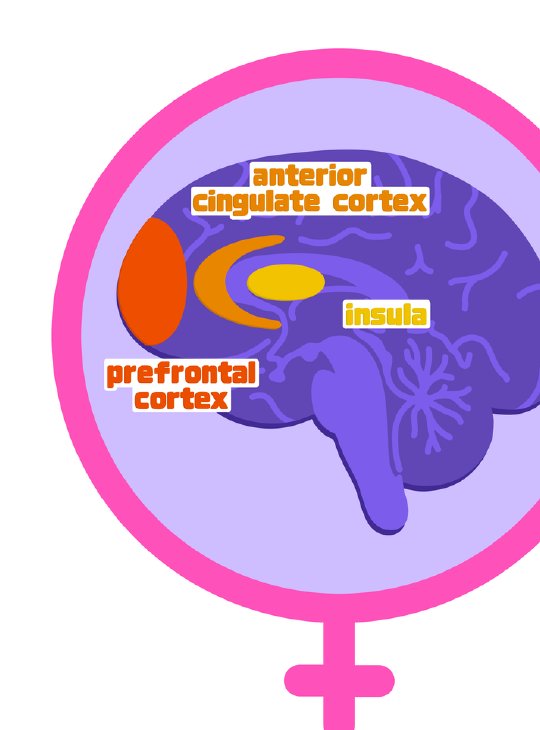
Sex differences in chronic pain are also evident in brain function and connectivity. A functional MRI study identified differences in functional connectivity across brain regions involved in pain perception. These areas include the insula, anterior cingulate cortex, and prefrontal cortex and are associated with sensory discrimination, emotional regulation, and pain modulation, which suggests that differences in neural network activity may influence how pain is experienced (Wilcox, 2015). As a result, men and women may process and respond to pain in different ways at the neural level, which signifies how pain is not only a significant physical sensation but also an experience shaped by emotional and cognitive processing.
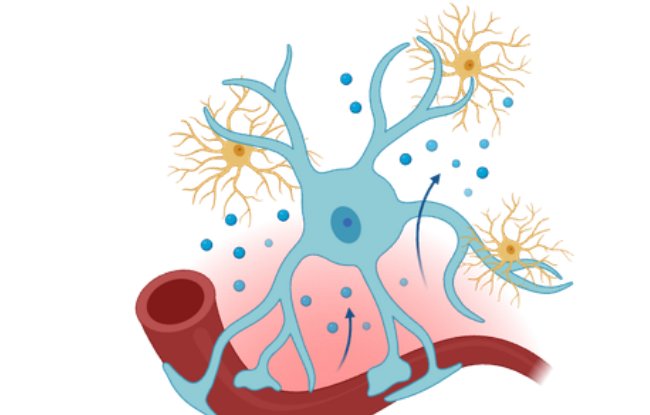
In addition to the differences found at neural levels, research points to the importance of neuroimmune interactions in shaping experiences in chronic pain. The activity of microglia and inflammatory mediators in the immune system plays an important role in modulating pain signaling. Microglia are specialized immune cells in the central nervous system that are important for the brain’s defense systems. When these neurons are activated, most likely in response to high amounts of stress or injury, they release inflammatory mediators such as cytokines and chemokines which increase neuron excitability and pain signaling pathways. This process enhances the communication between the immune and nervous systems of the body. These methods may also vary by sex, as the magnitude and regulation between inflammatory responses of men and women can differ and lead to greater or prolonged pain signaling in women. Research done by Sarah Rosen found that communication between the immune system and nervous system differs between sexes and therefore leads to variations in pain initiation and how it’s maintained (Rosen, 2017). Understanding these sources together suggests that chronic pain differentiation does not only stem from a neurological aspect, but an immunological one as well with sex-specific immune responses being large contributors.
Building on this previous work, a study done in 2026 by Jaewon Sim et al. demonstrated that more specific immune mechanisms may explain differences in pain duration between sexes. They found that monocyte-derived IL-10, an anti-inflammatory cytokine (signaling protein) that helps suppress pain responses, plays an important role in resolving pain and has notable sex-dependent effects. This study also suggests that testosterone may enhance IL-10 activity and therefore gives a possible explanation for why there is more efficient pain resolution in males (Sim, 2026).
Overall, sex differences in chronic pain arise from the complex inner workings of hormonal, neural, and immune mechanisms. Differences in peripheral sensory processing to variations in brain connectivity and immune signaling show how multiple systems contribute to the increased prevalence of pain in women. It’s important to recognize these factors to improve our current knowledge of chronic pain and to apply different approaches for treatment in a clinical setting.